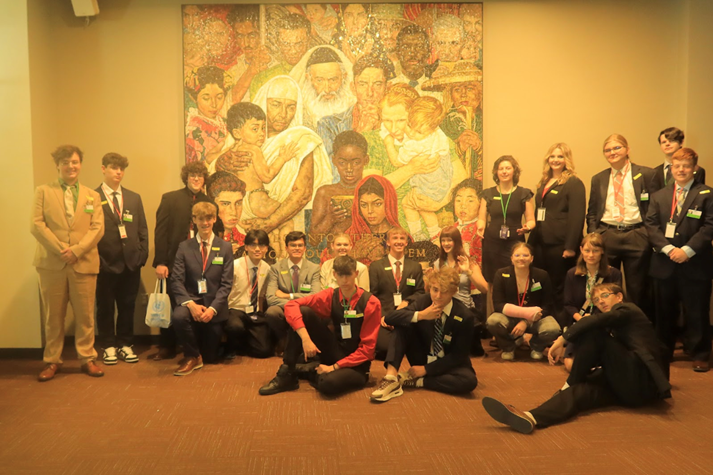
In 2024, District 107 raised money to send one young person from within our district on the IOOF Youth Pilgrimage, as selected by an essay contest. The winner was a young man named Bao Nguyen of San Jose, who has now completed his trip, and wanted to share a photo essay of what he experienced. The rest of this article are his words and photos.
This article records my once-in-a-lifetime experience during the Odd Fellows’ Pilgrimage for the Youth ‘25. I’ll share how my journey on the East Coast reshaped my perceptions about the world in practical ways.
My inspiration before the pilgrimage was significantly shaped by Tara Westover’s memoir, Educated. The memoir centered on Westover’s inspiring story of from being “uneducated” until seventeen to earning her doctorate at Cambridge University. Her reflections in Educated showcase how education can transform one’s life, perspective, and opportunities. Her meaning of education emphasizes not only accumulating facts, but also challenging one’s assumptions and constructing one’s understanding of the world. Therefore, the Pilgrimage for the Youth would be one of the rare opportunities that I become “educated” by transforming my worldview through the cities I explored in the East Coast. Westover’s situation also highlights the divides within our country, from political differences to the college-educated vs. “uneducated” divide. Motivated by Westover’s insights, I was eager to explore more about American and world history, particularly the foundations of these societal divides on this trip.
New York City:
My visit to the United Nations Headquarter was a powerful start for the trip in New York City. I explored numerous exhibits of global topics like human rights, sustainable development, and climate action. These displays served as powerful, daily reminders for the world leaders, especially those who walked past them every day, of the purposes they were working for. They also reminded the public of the collective responsibility for our better future. Through diverse art, photographs, and personal stories, I realized how crucial everyone’s active participation is in building a more, peaceful, just, and sustainable world.
The main theme during our speech workshops also centered on the Golden Rule: “Do unto others as you want them to do unto you.” The Golden Rule reminded us of our responsibility to always contribute to supporting our communities, as our communities had been providing resources for us.
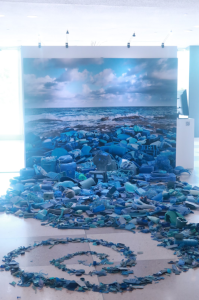
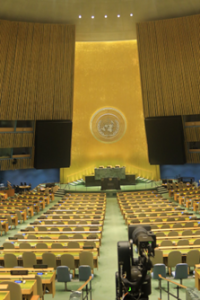
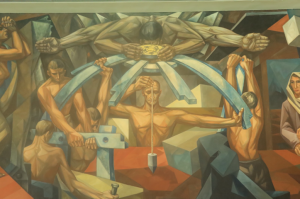
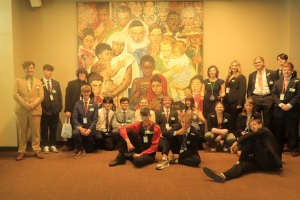
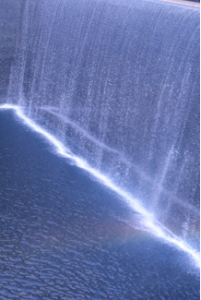
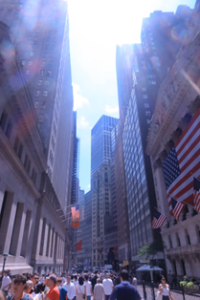
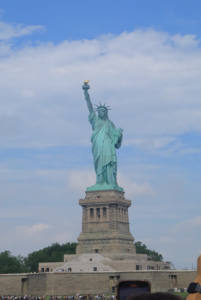
Beyond the UN, our group engaged in brainstorming activities to address community issues and solutions. By researching benevolent societies like the Elk, the Moose International, or the Independent Order of Odd Fellows and Rebekahs, I gained valuable insights on how organizations were created in the past in order to make a change in our society. Over the next few days, I also had the chance to explore New York’s iconic landmarks. These experiences helped enrich my perspectives to develop my speech for the competition on the last day in New York.
Boston and Salem, MA
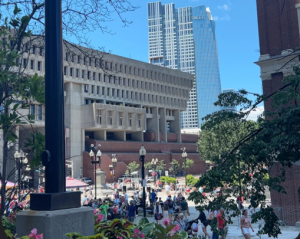
Following our New York tour as we concluded the speech competition, Massachusetts was our next destination. Exploring Boston and Salem allowed me to observe the very local side of the American lifestyle, blending with its modern urban atmosphere.
Before stepping into Faneuil Hall Marketplace, I didn’t know much about how deeply significant Boston and its landscapes were to American history. But my perspectives changed when I learned that this marketplace wasn’t just a place to shop, but a meeting spot hosting early protests against British rule in the American Revolution. The old building structures have stayed since the founding days of our nation, implying its rich history associated with Boston itself. It made sense how much the revolutionary spirit continued to shape not only the marketplace itself, but the identity of Boston as I experienced it today, especially when my visit was on Independence Day.
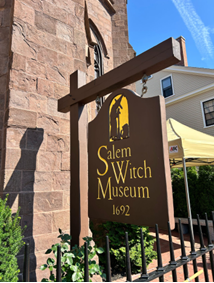
The following day, our group visited Salem for the Salem Witch Museum. I watched a haunting narration with wax figures about the 1692 Salem Witch Trials, when accusations of witchcraft spread uncontrollably because of fear and suspicion. Although several pieces of evidence seemed flimsy or fabricated, human fear and widespread misinformation tragically led to the persecution of innocent people at the time.
But the Salem Witch Trials are famous not simply because many individuals were persecuted in the context of mass hysteria or scapegoating. Their stories were an example of how history could repeat itself. They suggested that destructive patterns of human behavior like prejudice, unchecked accusations, or scapegoating could continue to exist till this day. These insights became more universal as I observed the exhibitions about how societal views of “witches” evolved over time. The lessons from the Salem Witch Trials connected with later events of human history: The Holocaust and the Japanese Relocation. They showcased when certain communities were targeted, not based on individual wrongdoing but their identity. It became clear that societal fear and prejudice had the power to blind society away from fundamental human rights and due process.
Buffalo (New York):
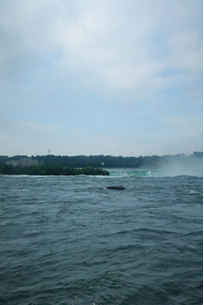
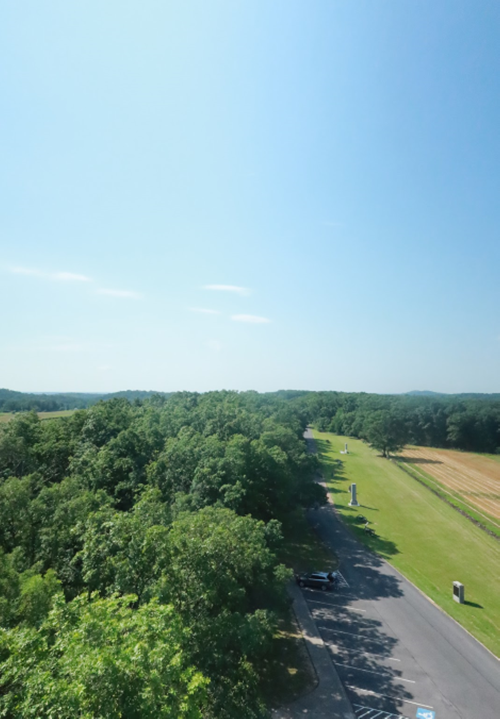
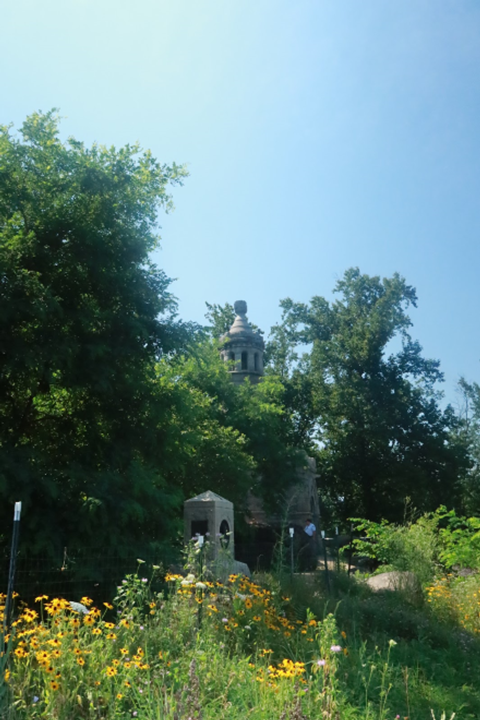
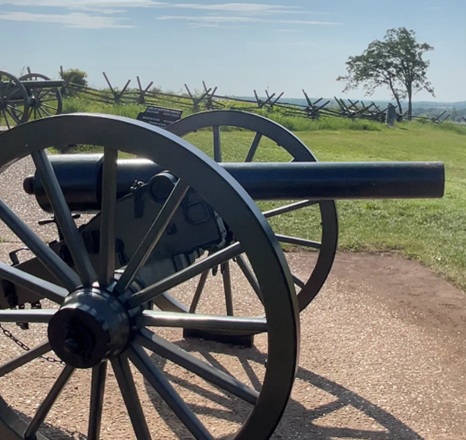
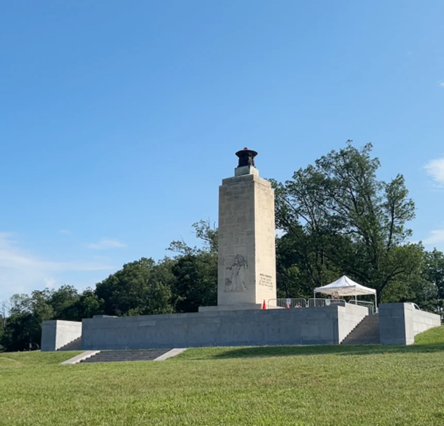
Editor’s Note – Bao didn’t write anything about Buffalo or Gettysburg, but he did include several nice pictures.
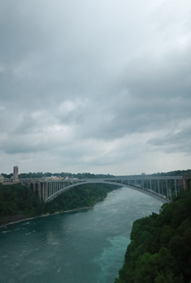
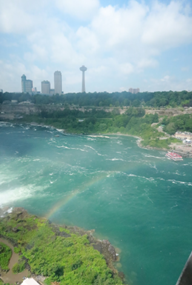
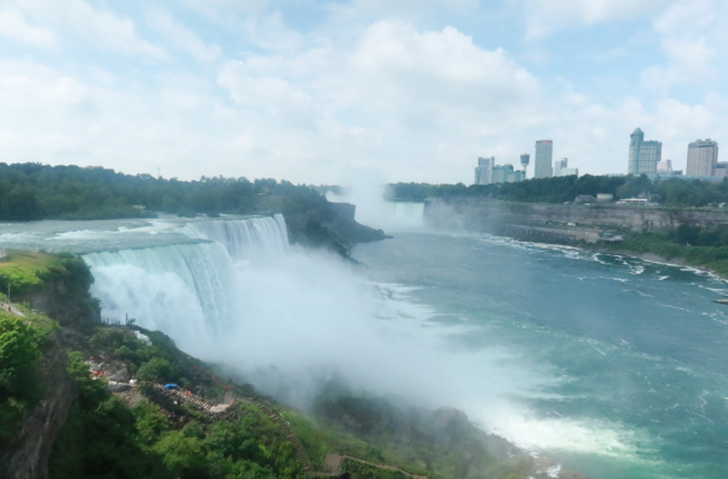
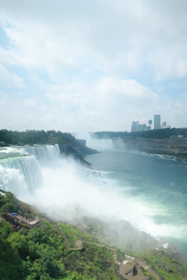
Gettysburg (Pennsylvania):
Washington D.C.
As we approached the last days of our trip before heading back to Philadelphia for flying home, we visited Washington D.C. We explored foundational landmarks like the Lincoln Memorial, the National Mall, or the Arlington Cemetery. But, the visit to the National Holocaust Museum had the most impact on my perspective.
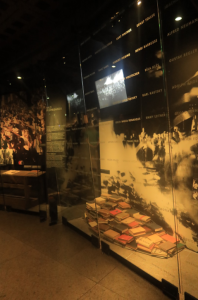
Upon passing the security at the Holocaust Museum, my friends and I were directed to receive a booklet containing testimonies from the Holocaust survivors. These narratives described the discrimination, violence, and loss that devastated the Jewish community. It was disturbing for me to imagine the amount of individuals who had to suffer from this hardship at the time. Walking through the museums, I observed exhibits describing the stories of Holocaust and its impact on human history. In 1930s Germany, the fragility of democracy enabled the Nazi party to rise. The Nazis then supported movements like burning books to suppress knowledge and dissent in order to seize absolute control. They also applied their antisemitic beliefs by controlling public opinion against Jewish people through propaganda campaigns. It reminded me of the historical patterns I noticed from the Salem Witch Museum: Prejudice and misinformation had the horrorful power to control an entire society. I then realized how each individual must be educated from diverse perspectives so they could contribute to preventing these patterns from happening in the future.
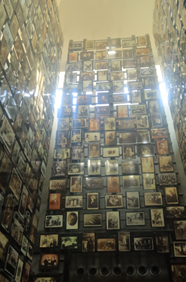
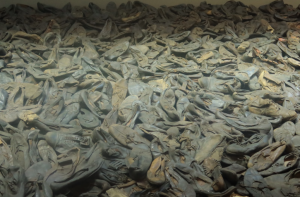
I also stepped into a skyscraper room with pictures on the wall. These pictures showcased the ordinary lives of the Jewish which would never be the same again after Holocaust. There were also countless number of shoes shown behind the glass wall, highlighting the immense human cost from the genocide. Watching these exhibits in front of my eyes, it was tough to imagine how humanity could turn so cruel and dehumanizing just for a man thirsty for power. Profoundly, I didn’t just observe history, but rather I empathize with the personal, painful feelings that those in the past had to endure.
Reflection:
The Pilgrimage for the Youth ‘25 was an unforgettable experience that enabled me to learn with a completely different approach. Instead of watching lectures in a classroom, I discovered new knowledge firsthand through the landmarks I explored, the friends I made from around the US and Canada, and a community-centered environment created by the Odd Fellows. This was a profound experience that challenged my past assumptions about everything, from the atmosphere of cities I only saw in movies to daily stereotypes that I didn’t recognize. I was able to reshape my mind with more practical knowledge and insightful opinion.
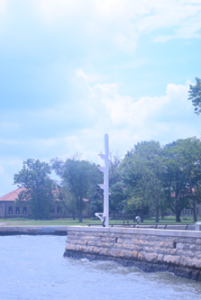
One of the most important activities I had in the trip was to observe the factors that contributed to building the landscape of my travelling city and our nation as a whole. For example, the visit to Ellis Island in New York showed me the immigrants’ role in supporting major contributions and diversity for the US. Or the experience at Boston transformed my perspective with local aspects of the American lifestyle and our proud history of the American Revolution. The trip became even more educational when I could visit famous museums like the Salem Witch museum and the Holocaust. From there, I immersed myself in using my critical thinking to deeply understand stories of the past.
Although the trip was only two weeks, the knowledge I acquired and the memories I made from the trip would have a positive impact on my future. It was a life-changing opportunity for my education in the long term. Through the practical insights I gained from many places, I must actively educate myself with languages, history, and politics. This education wouldn’t just support my self-discovery, but rather enable myself to inspire others. The trip has helped me understand my purpose that I must also help those around me to become “educated”, whether starting with reading a book or a meaningful conversation. The people I help could be my parents, my siblings, my friends, or anyone from my community who could be constrained by a narrow understanding of the world. It was truly a blessing to be in the Pilgrimage for the Youth trip by the Odd Fellows.
— By Bao Nguyen